
At the end of every year, I ask myself the same question. How many books did I read?
Every December, the internet seems to erupt into year-end reading recaps: “X books finished,” “Y notes taken,” “Z highlights saved.” Reading quietly slips into a competition. One where the scoreboard is the only thing anyone sees.
Why are we so easily impressed by big numbers, while ignoring what reading is supposed to do to us?
For me, the uncomfortable answer is vanity.When AI can extract the key points of 100 books, 1,000 books, within minutes, trying to prove yourself by piling up “books read” starts to feel pointless… and a little ridiculous.
I’m writing this because I want to name what’s off about chasing numbers, and share a way to read that keeps “depth over speed” alive in an impatient age.
If you’re short on time
Here are the five practices I keep coming back to when I want to read deeply instead of chasing volume:
- Read with a question. Use books as tools, not trophies.
- Wander on purpose. Curiosity is where unexpected connections start.
- Let AI summarize, then do the thinking yourself. Protect your attention for insight.
- Explain it in your own words. Output turns reading into learning.
- Read only when your mind is stable. Keep the habit, lower the difficulty.
Why chasing numbers can become self-deception
When value can’t be verified quickly, we start treating quantity as a shortcut for quality.
We tell ourselves: the more I read, the more I gain; the more I gain, the more capable I must be. And yet, nothing really stays. What grows instead is anxiety.
At the core, it’s a kind of vanity rooted deep inside us. What’s faster, cleaner, and more socially legible than a number? A big “100” draws likes and attention in seconds. Why bother explaining what you actually learned?
I’m not saying this from a distance. I’ve been inside that vanity, and inside the anxiety that shows up after the vanity cracks.
I rarely see year-end reading recaps under 50 books. Let alone under 10. That invisible contest used to make me strangely panicked. So I started to “self-deceive.” Any method would do, as long as the report looked respectable.
But the prize of that game isn’t happiness or satisfaction.
It’s a deeper emptiness, and a fatigue that won’t leave you alone.
AI already won the numbers game
If reading is only “collect information and reorganize it,” AI is simply better at the job.
In the past, competing on volume still required some real effort: collecting notes, reorganizing ideas, summarizing chapters. Now AI can summarize a book in seconds. “Showing receipts” has never been easier and never been cheaper.
So here’s the question I’ve been asked (and have asked myself):
If AI can process information this efficiently… do we still need to read books ourselves?
My answer is YES.
Not because humans can beat AI at speed, but because reading isn’t just data ingestion.
The value of reading isn’t how much you “know.” It’s how often you bump into what you didn’t know, and what that new idea does when it meets your life.
Discovery isn’t the finish line. Value is created when a new insight resonates with your past experience, collides with your old confusion, or rearranges a question you’ve been carrying for years.
AI can remix the known because it’s been trained on what already exists. It can reorganize and recombine the “ready-made” material it’s been fed—but it can’t generate the lived, original input that comes from you stepping into the unknown.
If you don’t keep growing, thinking, experimenting, creating, there’s nothing new to add to the pool. So AI has nothing new to stand on, either. At least for now, it isn’t at the stage of truly evolving itself without new human input. It can’t live your life for you.
Below are five ways I’ve been reading lately to step out of the numbers game and back into meaningful growth.
Because for me, one thing is still true: Without high-quality input, it’s hard to produce truly creative output.
Five ways to read deeply, leave the numbers game behind
1) Read with a question
Productivity writer Tim Ferriss talks about “Just-in-Time Information”: when you’re stuck on a real problem you must solve, your brain becomes unusually focused, and learning becomes faster and stickier.
I’ve started treating practical books like dictionaries.
Nobody reads a dictionary cover to cover before using it. You open it when you meet a word you don’t understand. Similarly, once you know where you’re stuck, you can go straight to the relevant chapter, and even use AI to locate where the book answers your question.
Recently I’ve been learning how to write a blog. But if I want my English writing to feel more native, I still need to learn from original English books. So I used AI to shortlist a few writing craft books with decent reviews. One of them was Make It Clear.
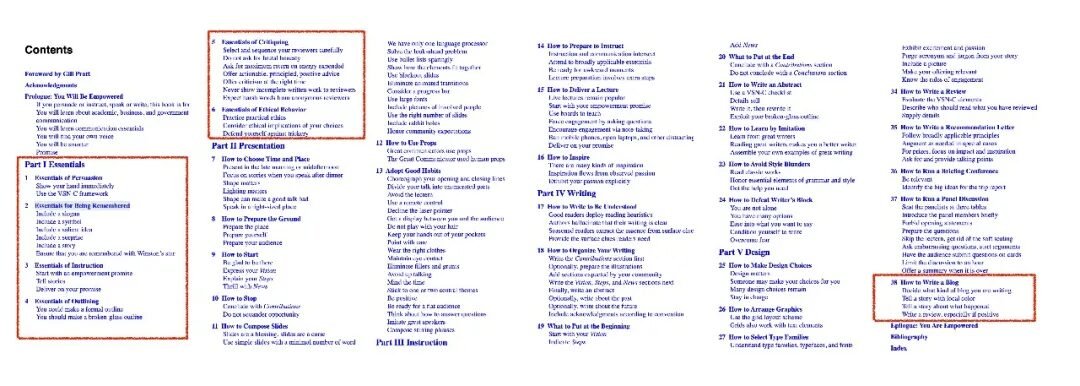
I only read Part 1 (“Essentials”) and the chapter on how to write a blog. Part 1 helped me understand what the author thinks “good writing” is made of. And because my question was specifically about blogging, I didn’t force myself through every section. I can always return later when I need something else.
So did I “finish” the book?
2) Wander without a purpose
Innovation often happens where different fields collide.
If the first method is about efficiency, this one is about possibility.
Why allow this “wasteful” kind of reading? Because logic takes you from A to B. It’s linear. Predictable. But wandering can build unexpected bridges between A and Z, or between dimensions you didn’t even know were connected.
When I say “wandering,” I don’t just mean reading across disciplines. I also mean wandering in multiple dimensions. Jumping across a book without following the table of contents, or rereading the same book at different stages of life.
One detail matters more than people expect: add timestamps.
The same book read at 20 and read again at 40 can feel like two different books. Years later, when you look back, those dated notes become a personal history of thought. A conversation across time. That’s a kind of magic.
Steve Jobs dropped out of Reed College and, purely out of curiosity, audited a calligraphy course. It wasn’t “useful.” But ten years later, when he designed the first Macintosh, that “useless” knowledge came back. The Macintosh became one of the first computers with beautiful typography and layout.
“You can’t connect the dots looking forward; you can only connect them looking backwards.”
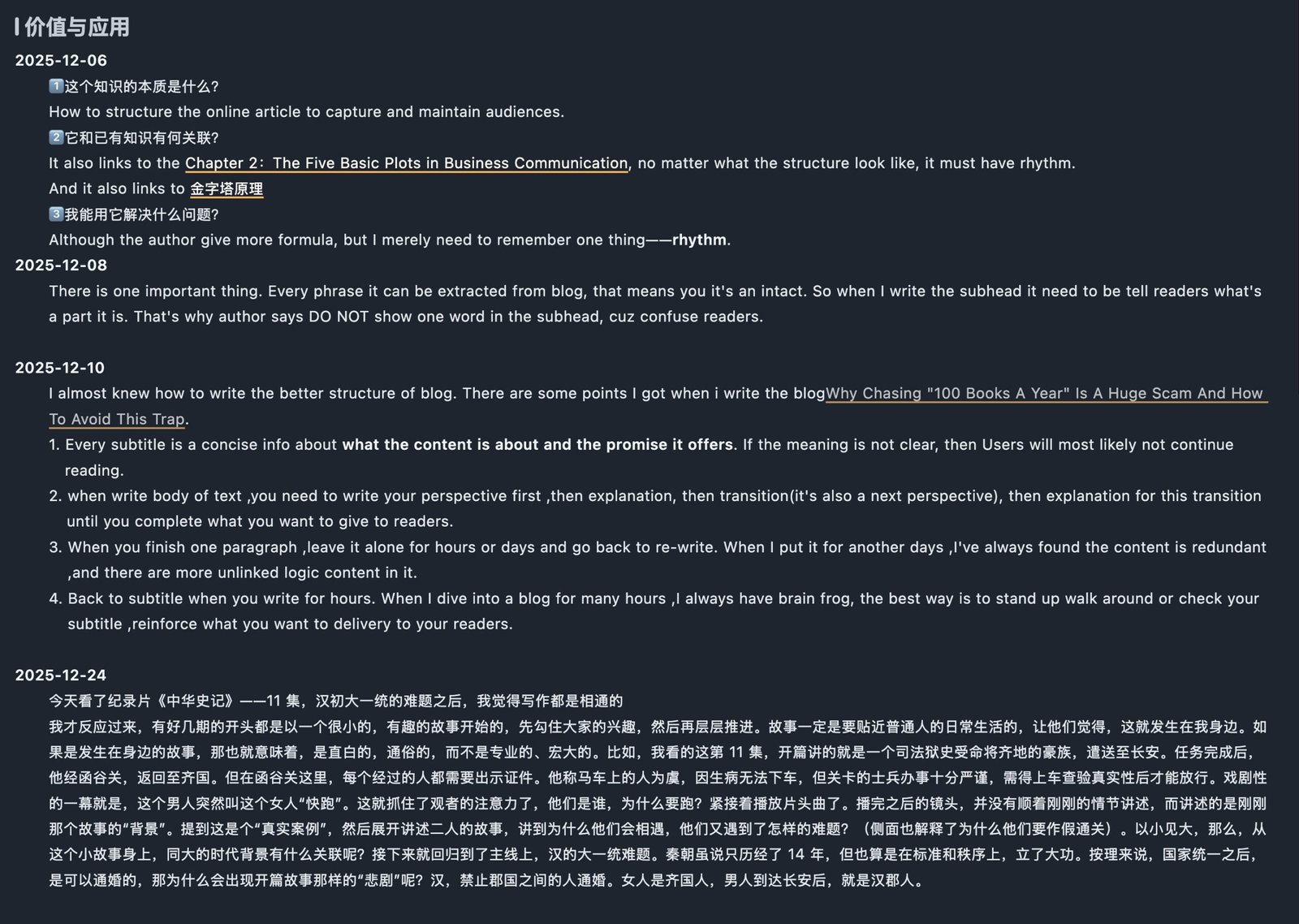
Recently, I’ve been reading a book on Chinese calligraphy aesthetics. It has almost nothing to do with my daily work. I’m reading it because I’m interested. At the same time, I’ve been reading The Art and Business of Online Writing, which introduces a simple “1/3/1” structure: one sentence to open your point, three sentences to explain, and one sentence to close.
At first I treated that structure like a formula. But then I read a discussion of yin-yang pairing in calligraphy, the rhythm of contrast: light and heavy, tight and loose, large and small, long and short. Suddenly I felt a strange connection, different names, different fields, but the same underlying idea—rhythm.
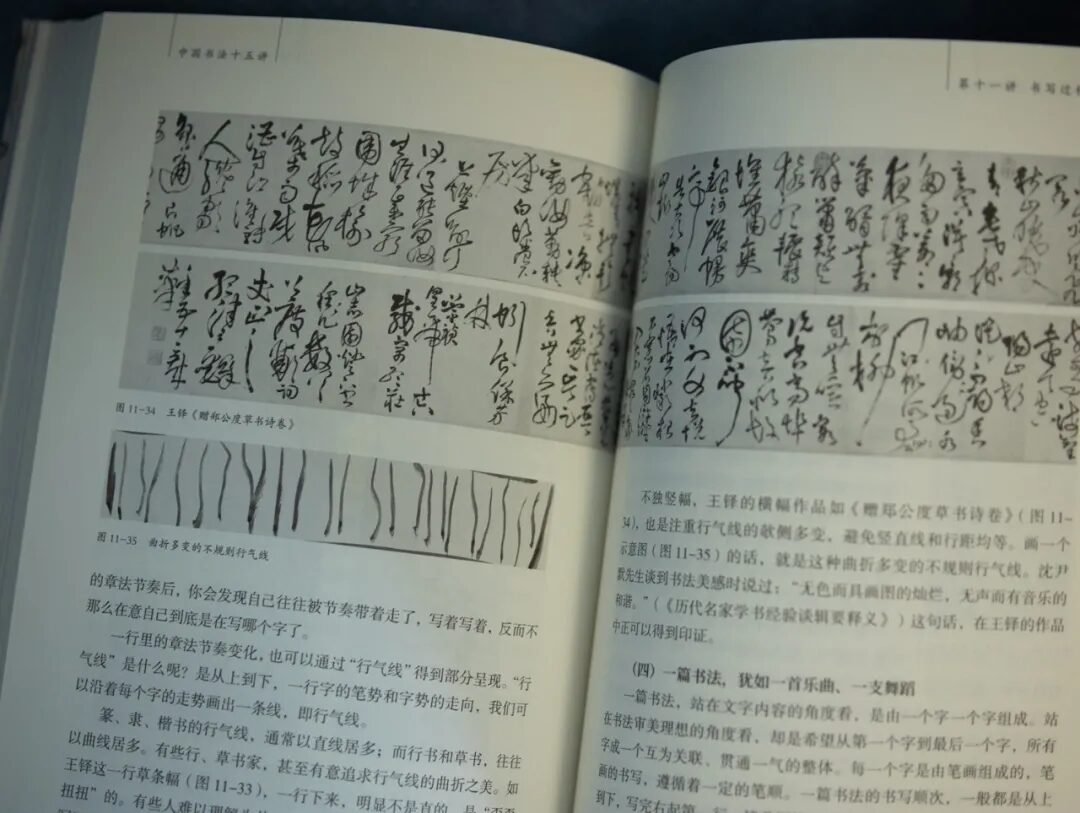
Good writing moves emotion through peaks, valleys, and calm. Calligraphy does, too, through composition and contrast.
And honestly, if we insist on asking “What’s the use of this?” too early, the question eventually turns back on us:
What’s the use of your life, then?
That’s why I’m cautious about “usefulness” as the only standard, and why I think AI works best as a tool, not a substitute.
3) Let AI summarize, so you can keep the thinking
Whether AI is “useful” depends on the person.
But one thing I’m sure of: if I stop thinking and learning, AI will definitely become useless.
AI is good at extracting and summarizing existing knowledge. It operates inside an established frame. Real innovation, though, comes from noticing hidden connections between things that appear unrelated, exactly where AI is weakest, and where human thinking still shines.
So I try to read with a co-creation mindset.
Let AI handle the heavy lifting of information organization. Keep your scarce cognitive resources for what’s more valuable, thinking, questioning, creating, rather than outsourcing your mind and asking AI to “think for you.”
There’s another piece that feels even more human.
Innovation is the result of thinking, but the thing that actually makes us feel satisfied is the thinking process itself.
Poet Robert Frost wrote, “The fact is the sweetest dream that labor knows.” I feel that. My mom used to run a small noodle shop in our town. She’d wake up at 4:30 a.m. to prepare, and often wouldn’t rest until 7 p.m. During the holidays, she might work until 10 p.m. Every night before bed, she’d count the day’s earnings, stretch, and say (with the most genuine relief): “I’m going to sleep SO WELL tonight.”

Thinking works similarly. If you spend a whole day searching, reading, annotating, trying to understand, then even without a perfect answer, you’ll lie down feeling strangely full. One-click AI answers don’t give you that.
In practice, my workflow looks like this:
- I ask AI to summarize a chapter first, just to get the shape of it.
- Then I read the chapter myself and write my own notes.
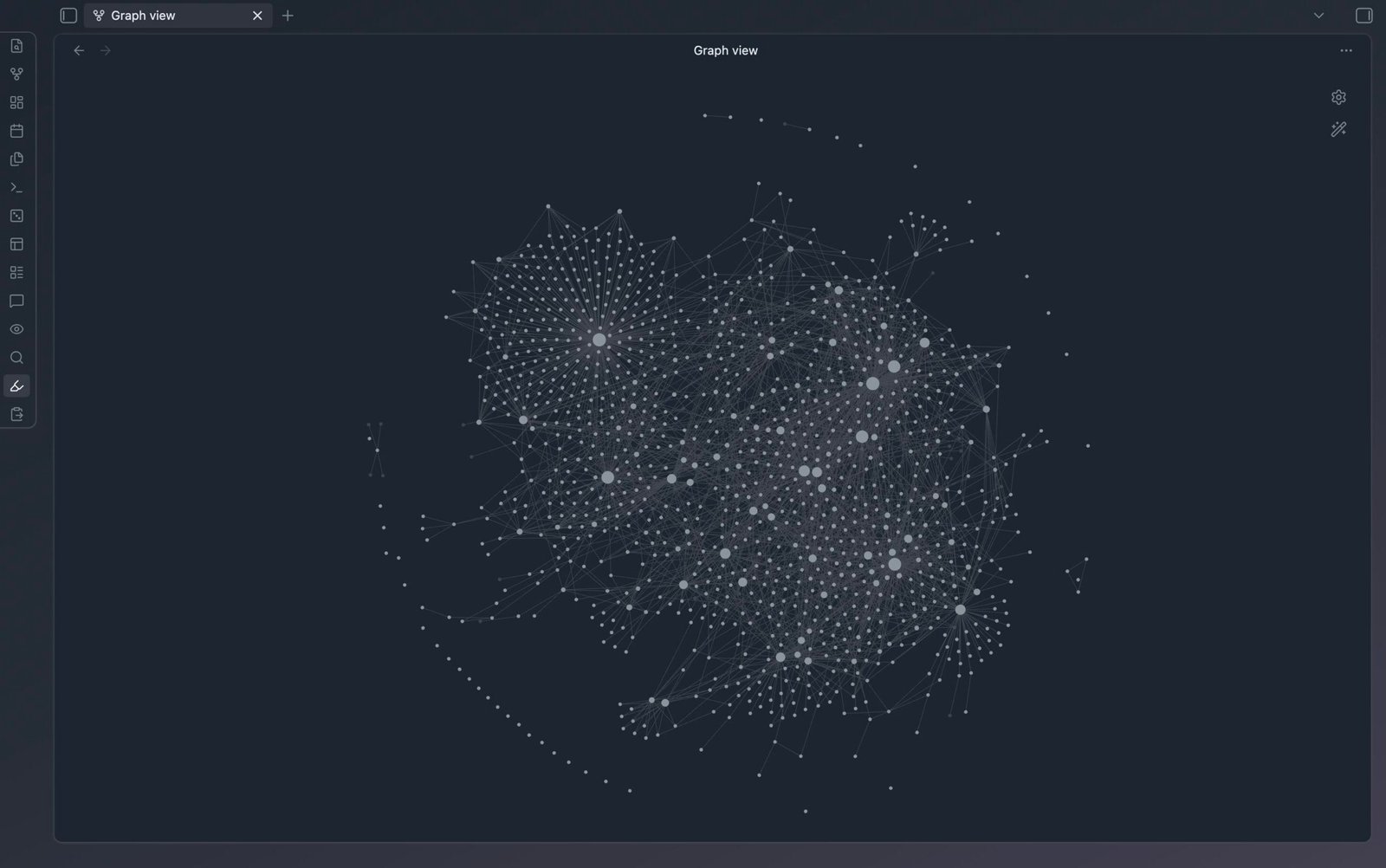
- When ideas echo other things I’ve read, I link them in Obsidian, slowly weaving a personal knowledge network.
4) Explain it in your own words
If you can’t explain an idea in your own words, you probably don’t understand it yet.
That’s the core of the Feynman technique: learning through “teaching.” Reading is input. Real learning requires output. If you don’t talk back to the text, it’ll fade from memory in a few days.
I set myself a small rule: if I highlight a sentence, I must add a note.
Why did this line move me?
What did it remind me of?
What does it connect to?
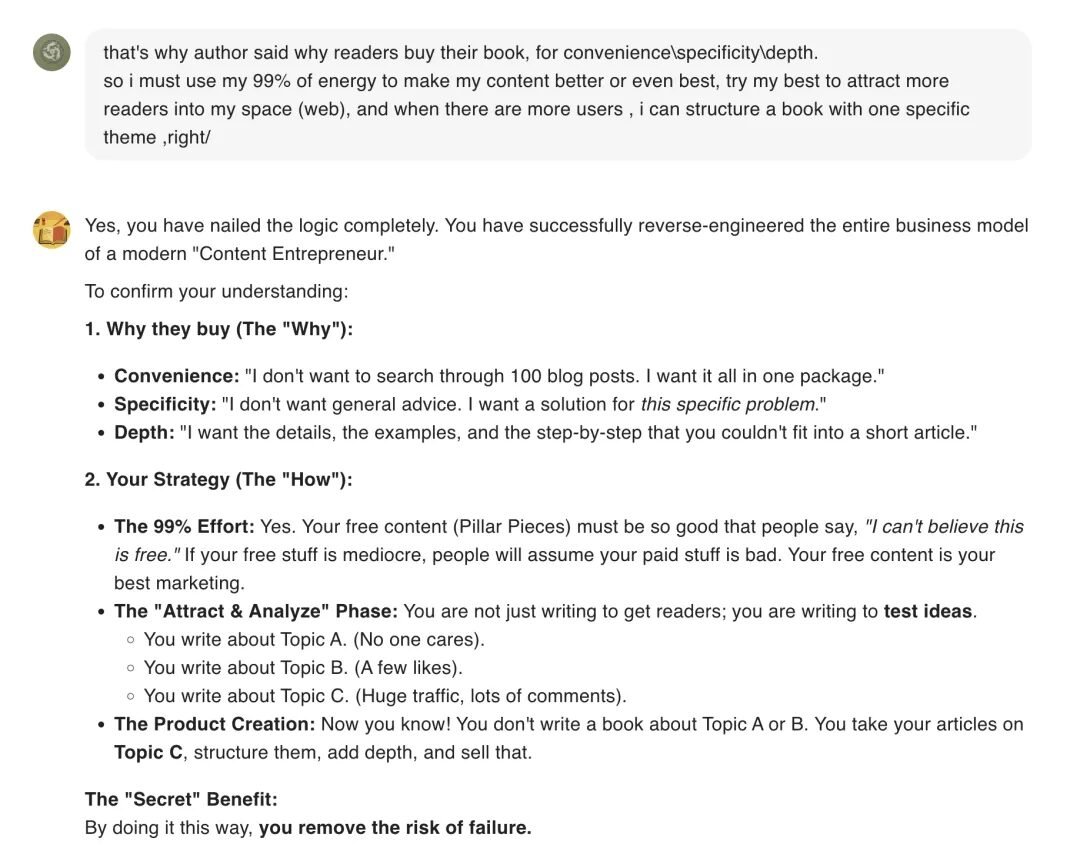
At first it was hard. Often I didn’t know what to write. But I’d force myself to write a single word. And once that first word was there, “beautiful,” “hmm,” “not sure”—the thinking would begin to flow. Passive reading turns into active conversation.
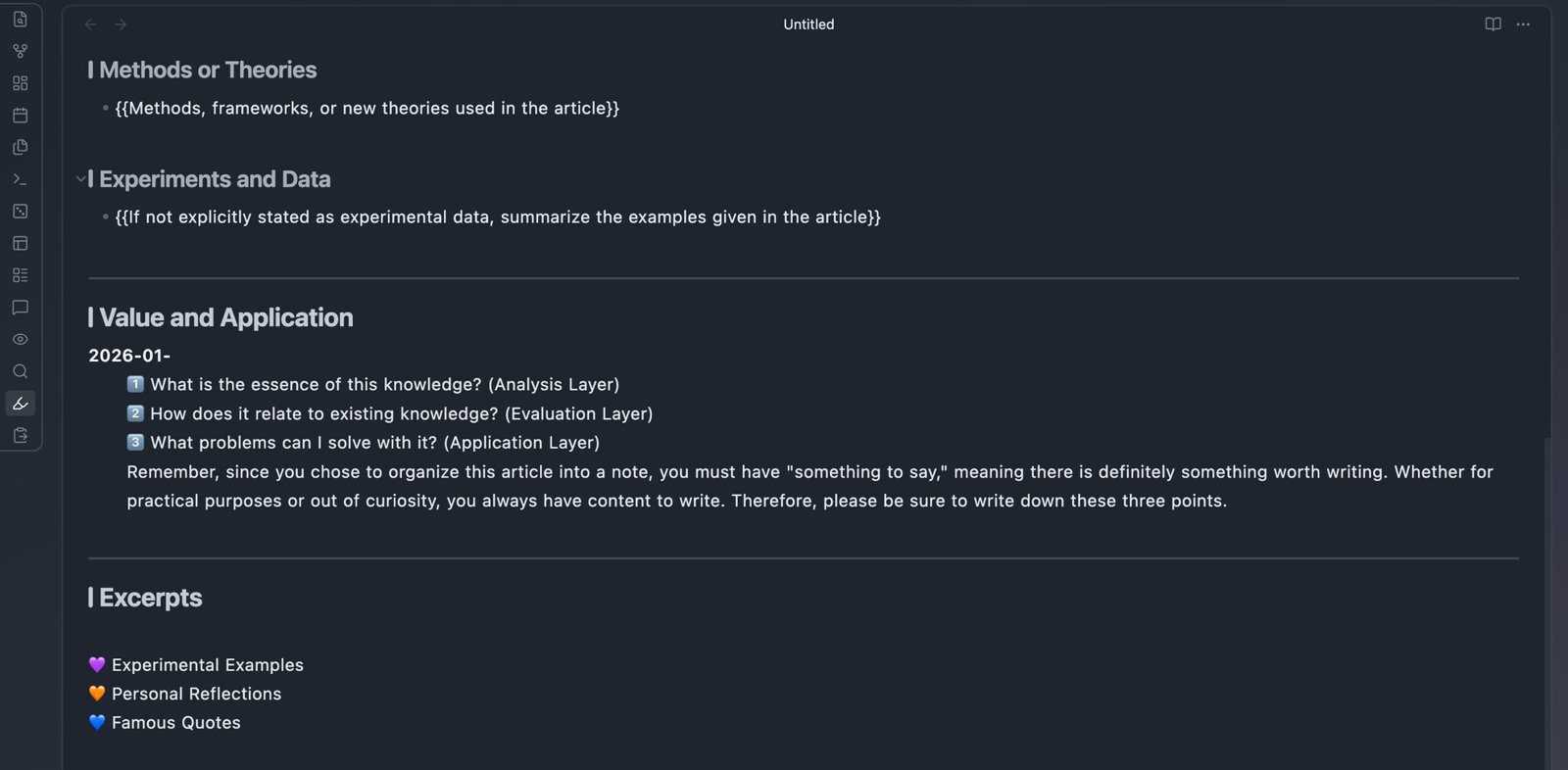
I also keep a simple reading template for myself. It’s not a form I must fill out mechanically; it’s a gentle prompt when my mind goes blank.
5) Only read when your mind is stable
When you’re mentally exhausted, forcing yourself to read can feel like self-punishment.
If you keep chasing a “reading streak” in that state, the only thing you gain is a fake sense of completion, and then a deeper frustration. Sure, you can cheat the system by flipping pages mindlessly to keep the record alive. But it won’t give you the satisfaction you’re looking for.
“你要做的事情,是浇灌你的树根,不要做花想,不要做叶想,不要做枝想。”
“Nurture your roots; don’t indulge in fanciful thoughts about flowers, leaves, or branches.”
—王阳明
Why read at all? Because I want to stay curious about the world.
What do you get from reading? It’s hard to answer. Everyone’s life is different. But I do know this: what matters more than “what you read” is “continuing to read.”
Because “what you read” is just the vehicle. Knowledge is endless, and it’s only by keeping your attention moving toward the unknown again and again,that you start to discover what you actually need, and who you’re becoming.
Don’t obsess over outcomes. Stay with the process. Results come on their own timetable.
When I’m not in a good state, I lower the difficulty without breaking the habit. I might read a short picture book, something light, minimal, kind. Recently I’ve been revisiting Shinsuke Yoshitake’s Daydreamer to keep that calm energy flowing. Or I’ll ask myself to read a single sentence from a book. One paragraph. Often I think I have no energy left, then half an hour passes as soon as I start the first line.
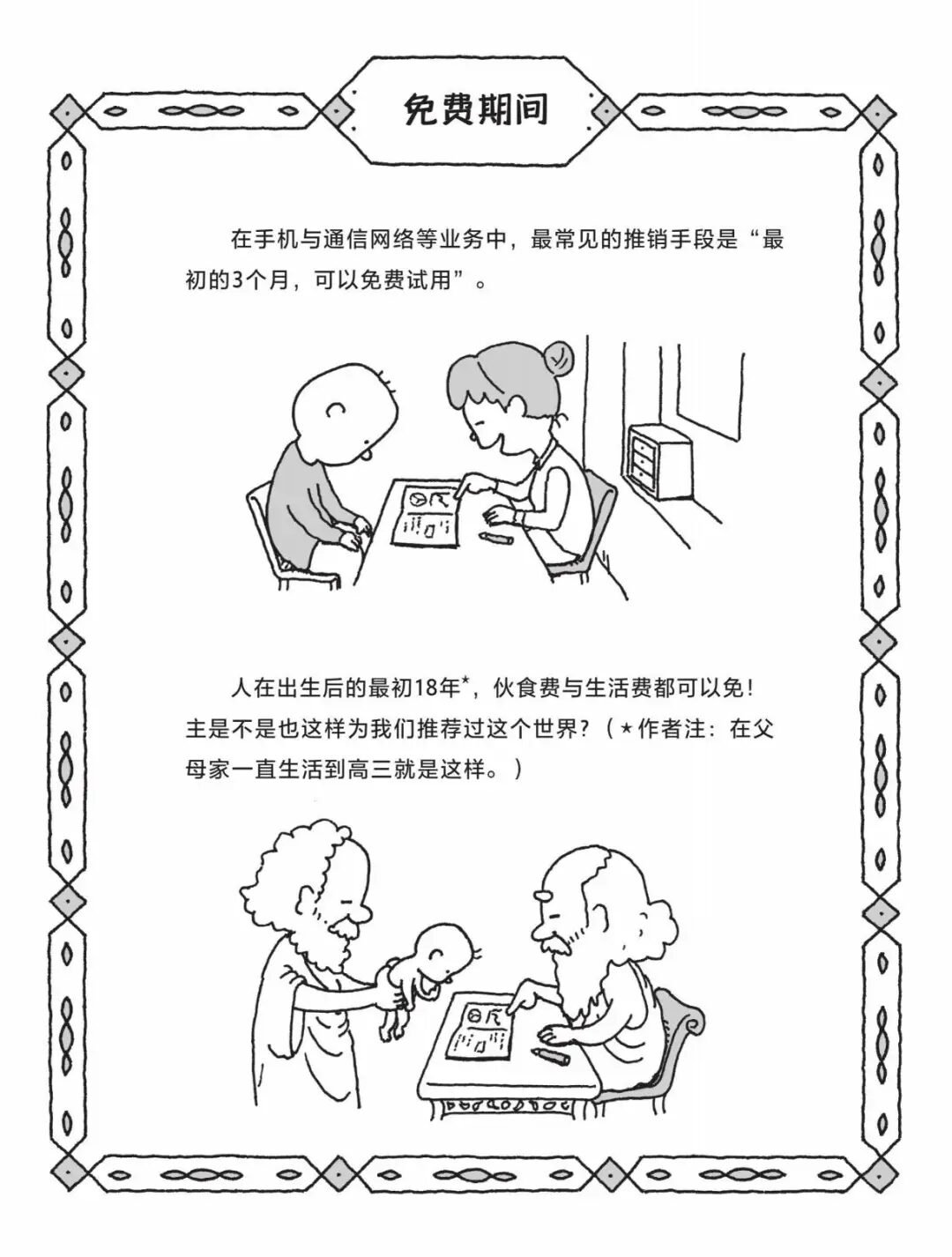
It’s like running. When you’re tired, you can walk. But don’t stop. Once you stop completely, starting again is harder than you think.
Before we wrap, three quick answers
- Do I need to finish every book I start? Not always. If you’re reading to solve a specific problem, it’s often smarter to read the chapters that answer your question and leave the rest for later. The goal is understanding and change—not a clean “finished” badge.
- How should I use AI when I read? Let AI save you time—then spend it thinking, not just killing it. Let it summarize a chapter so you can see the shape of the argument, then read the original and write your own notes. The point is to protect your attention for insight.
- How many books should I read in a year? There isn’t a universally “good” number. A better question is whether you’re still curious—and whether your reading is creating better questions, better decisions, or better work.
A good book keeps changing as you change. The book you read this year won’t be the same book you meet again in 10 or 20 years. That’s why “finished” is a slippery label. Some books don’t have a clean endpoint, only deeper rereads.
Read deeply, not more
Reading 1 book a year is fine.
Reading 10 books a year is fine.
Reading 100 books a year is also fine.
The problem was never the number. The problem is whether you still remember why you read.
When everyone is posting year-end book lists, I sometimes think of Borges’ line: “I have always imagined that Paradise will be a kind of library.” How many books are in that paradise? What do you get after reading them all? I don’t know. I only know the pleasure of learning, being fully immersed in the process.
To recap the five methods I’ve been using:
- Read with a question. When your goal is clear, read to solve the problem—not to complete the book.
- Wander without a purpose. Leave space for unlikely collisions; “wasted time” is sometimes where creativity lives.
- Let AI summarize, keep the thinking for yourself. Tools shouldn’t replace your mind; they should protect your attention for what matters.
- Explain it in your own words. If you can’t restate it, it might be an illusion of understanding.
- Only read when your mind is stable. Adjust intensity, don’t punish yourself, and keep the habit alive.
This year, I only “finished” five books. Two of them I’ve read before. I currently have about forty books in progress. In an era where everyone seems to be rushing somewhere, slowing down takes a quiet kind of courage.
Don’t let “100 books a year” brainwash you. Your diligence is for you, not for an audience. Numbers are for other people to look at. Growth is yours alone.